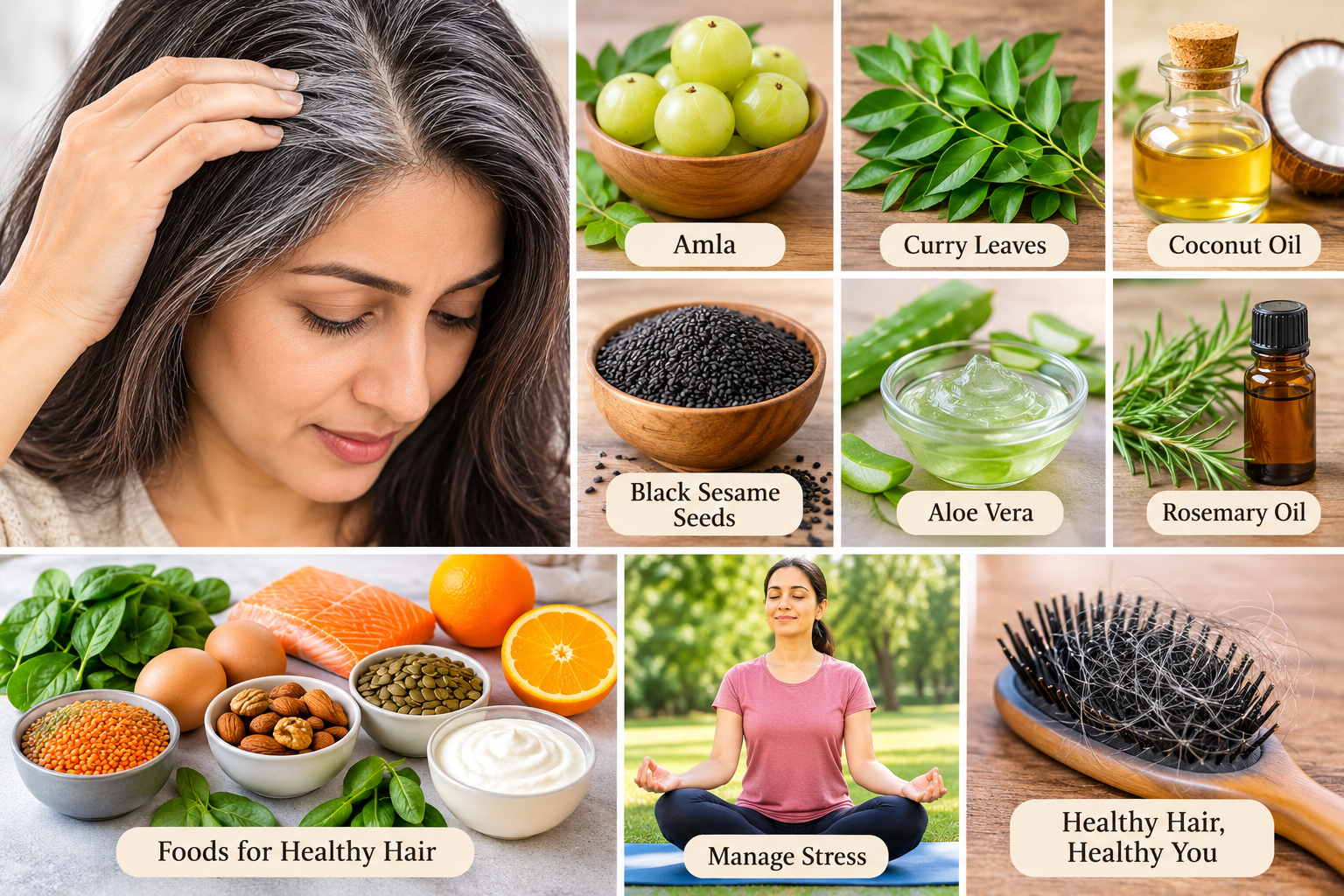
Premature Greying Hair Natural Remedies

Premature Greying Hair: Natural Remedies, Causes and Prevention Tips
Noticing grey or white hair at an early age can be frustrating, especially when you are not expecting it. While greying is a natural part of ageing, some people start developing grey strands during their 20s, 30s or even earlier.
Premature greying of hair can be influenced by genetics, nutritional deficiencies, stress, smoking and certain health conditions. Although there is no guaranteed natural treatment to restore the original colour of grey hair, maintaining a healthy diet and taking proper care of your hair may support overall hair health.
In this article, we will explore the common causes of premature greying, natural remedies, foods that support healthy hair and practical ways to care for your hair.
What Is Premature Greying of Hair?
Hair gets its natural colour from a pigment called melanin, which is produced by specialised cells in the hair follicles.
As we age, these cells gradually produce less melanin, causing hair to become grey or white.
When this process begins earlier than expected, it is commonly called premature greying. The age considered premature can vary depending on ethnic background and individual factors.
Common Causes of Premature Greying Hair
Understanding the possible causes can help you decide which steps to take.
1. Genetics
Genetics is one of the most important factors influencing when your hair starts turning grey. If your parents or close family members experienced early greying, you may be more likely to experience it too.
2. Nutritional Deficiencies
Certain nutritional deficiencies have been associated with premature greying. These include:
- Vitamin B12
- Folate (vitamin B9)
- Iron
- Copper
- Vitamin D
However, not every person with grey hair has a nutritional deficiency. Correcting a confirmed deficiency is important for overall health, but it does not guarantee that grey hair will regain its original colour.
3. Chronic Stress
Long-term stress can affect different processes in the body. Research suggests that stress may influence the cells responsible for producing hair pigment.
Managing stress is beneficial for general health, although reducing stress cannot guarantee that greying will stop.
4. Smoking
Smoking is associated with an increased risk of premature hair greying. Avoiding tobacco is a useful step towards supporting overall health.
5. Thyroid Problems
Certain thyroid conditions may affect hair health and pigmentation. If you notice unusually early or sudden greying alongside other symptoms, consult a healthcare professional.
6. Ageing and Oxidative Stress
As the body ages, changes in cellular function and oxidative stress can affect the pigment-producing cells in hair follicles. This is part of the natural ageing process.
10 Natural Remedies and Habits for Healthy Hair
Natural ingredients are popular in traditional hair care. They can help nourish the hair and scalp, but it is important to understand that none of the following remedies has been scientifically proven to reverse premature greying.
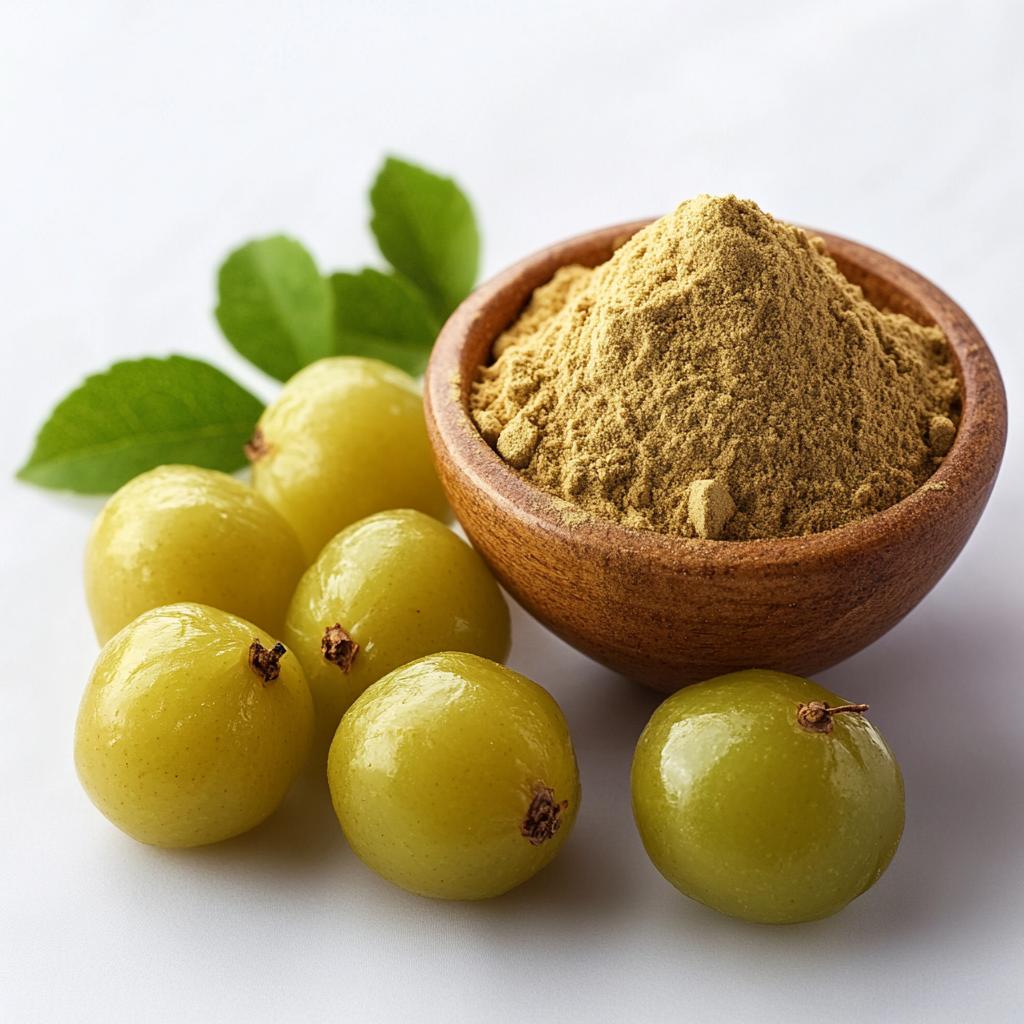
1. Amla (Indian Gooseberry)
Amla is widely used in traditional Indian hair care. It contains vitamin C and other antioxidant compounds.
How to use it:
- Include fresh amla in your diet when available.
- Add a small amount of unsweetened amla powder to water or yoghurt.
- Choose a topical amla product if you prefer an external hair-care routine.
Amla may support general nutrition, but there is insufficient clinical evidence that it restores natural hair colour.
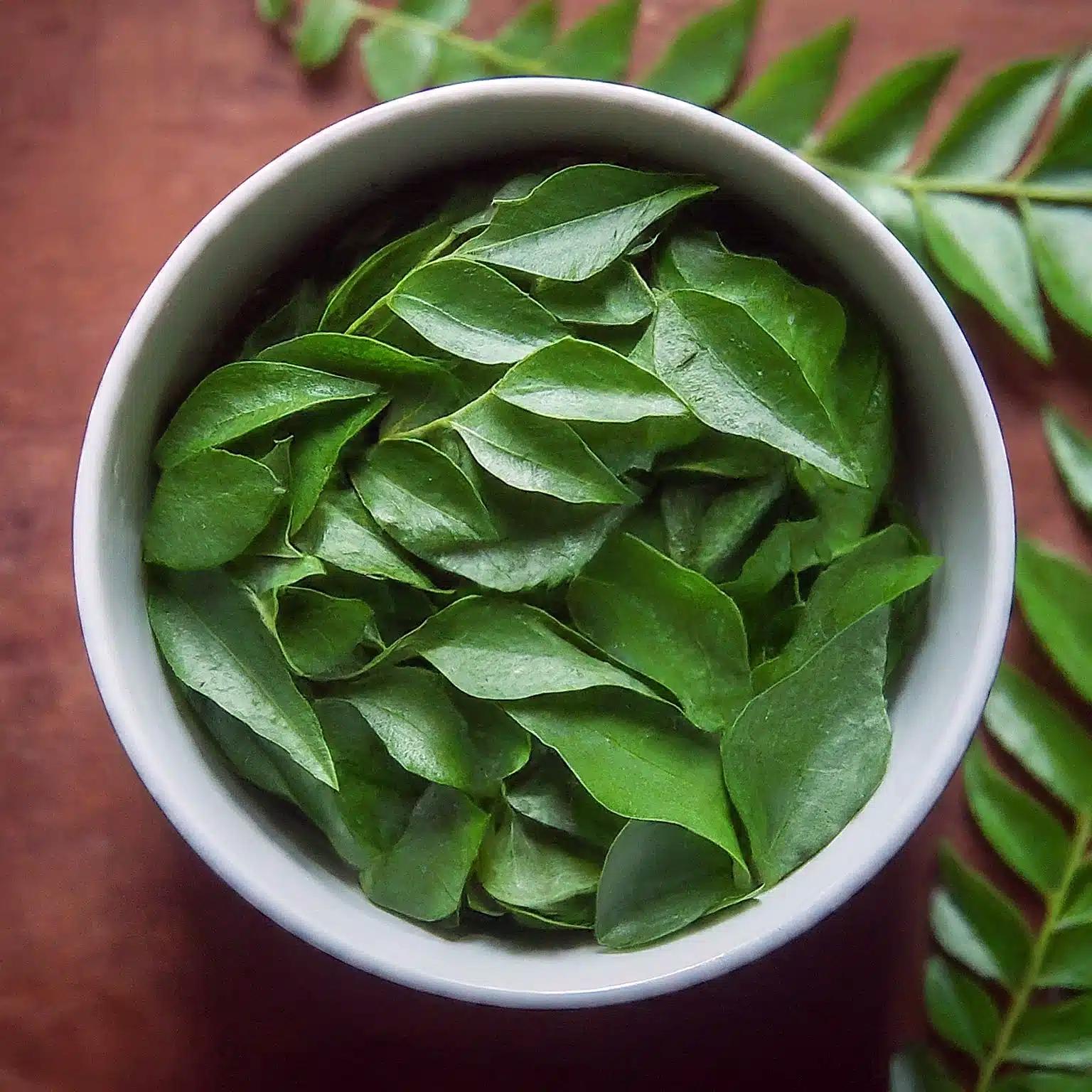
2. Curry Leaves
Curry leaves are traditionally used in South Asian hair-care preparations.
How to use them:
- Wash a handful of fresh curry leaves.
- Add them to your cooking or prepare a mild curry-leaf-infused oil.
- If using the oil, apply a small amount to your scalp.
- Wash your hair as usual if the oil causes irritation or buildup.
Curry leaves are nutritious, but claims that they reverse grey hair have not been established by clinical research.
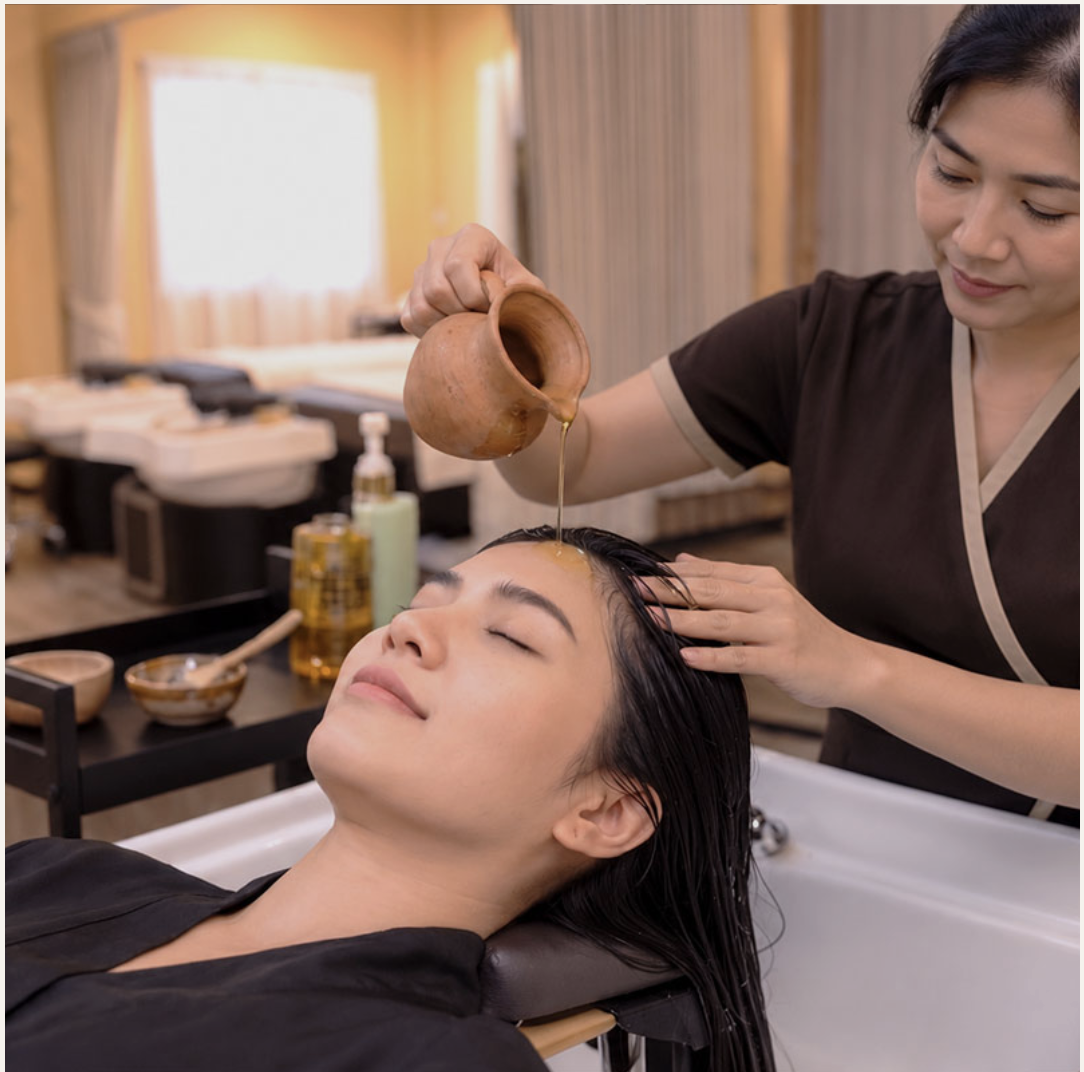
3. Coconut Oil Massage
Coconut oil is commonly used to condition hair and reduce protein loss from the hair shaft.
How to use it:
- Take a small amount of coconut oil.
- Gently massage it into your scalp and hair.
- Leave it on for 30–60 minutes if comfortable.
- Wash with a gentle shampoo.
Coconut oil can help with hair conditioning, dryness and manageability. It does not restore melanin or reverse greying.
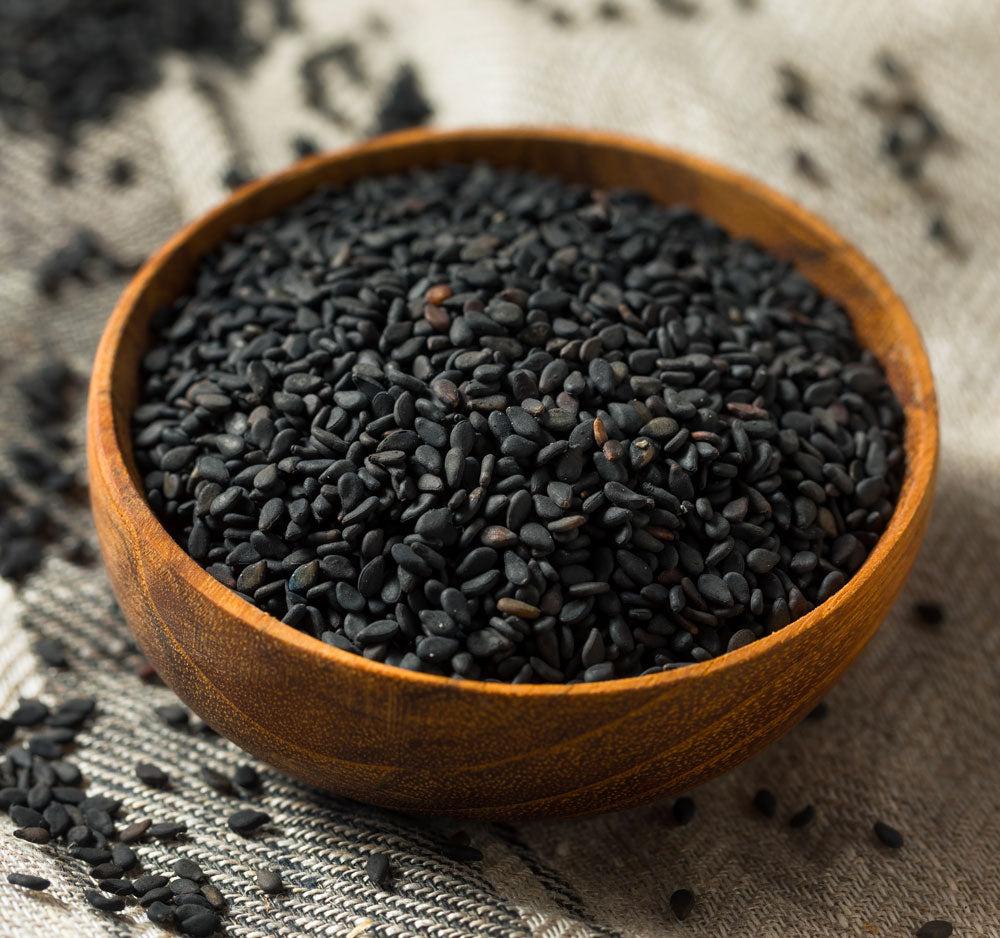
4. Black Sesame Seeds
Black sesame seeds contain healthy fats, minerals and other nutrients.
How to include them:
- Add one teaspoon to your breakfast oats.
- Sprinkle them over salads.
- Mix them into yoghurt.
- Use them in homemade energy bites.
They are a nutritious addition to a balanced diet, but there is no reliable evidence that eating black sesame seeds turns grey hair black.
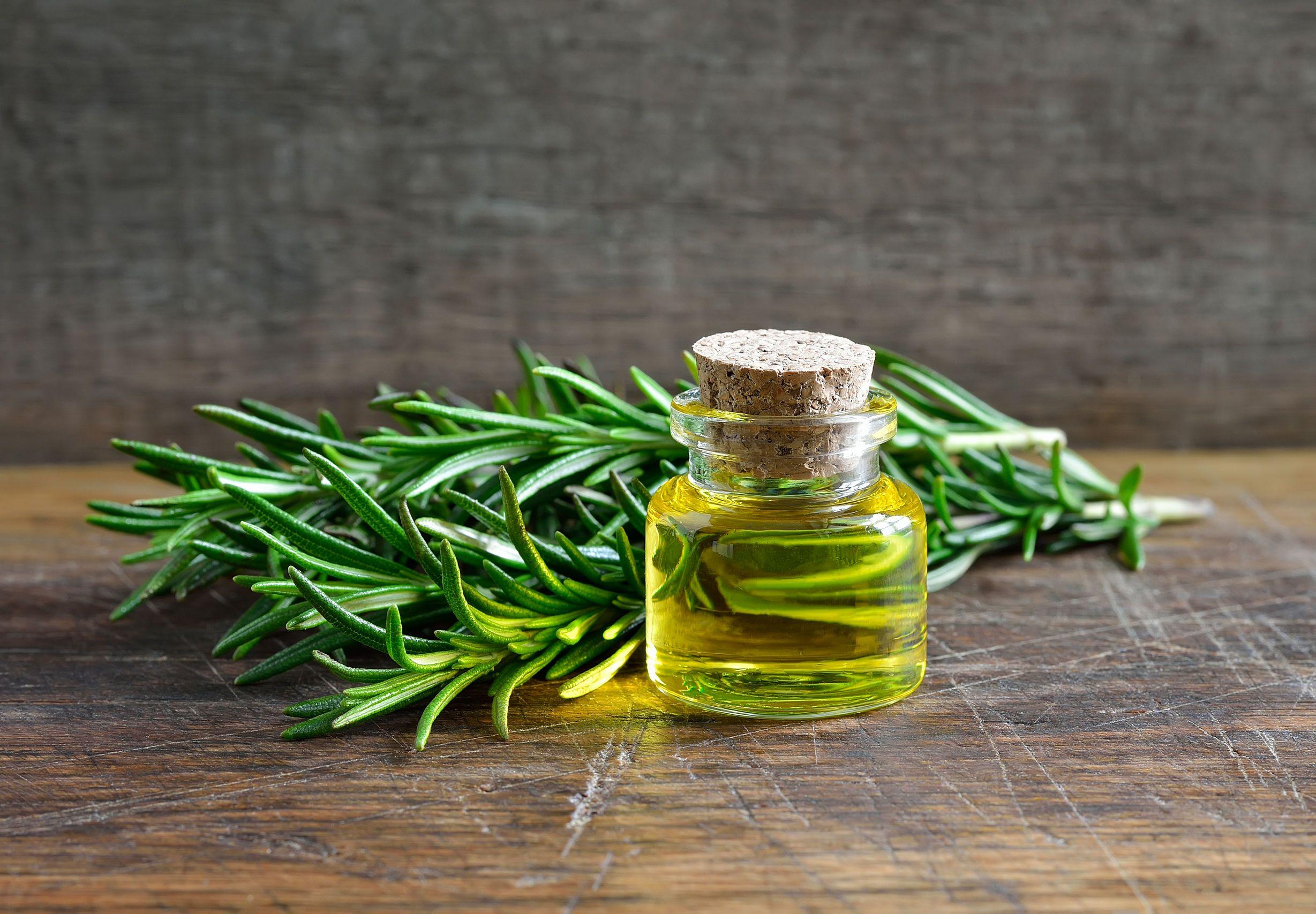
5. Rosemary Oil
Rosemary oil is commonly used in scalp-care routines. Some research has investigated its potential benefits for hair growth, but it has not been shown to reverse hair greying.
How to use it safely:
- Dilute a few drops in a suitable carrier oil.
- Apply a small amount to the scalp.
- Perform a patch test before regular use.
- Stop using it if you experience itching, redness or irritation.
Never apply undiluted rosemary essential oil directly to your scalp.
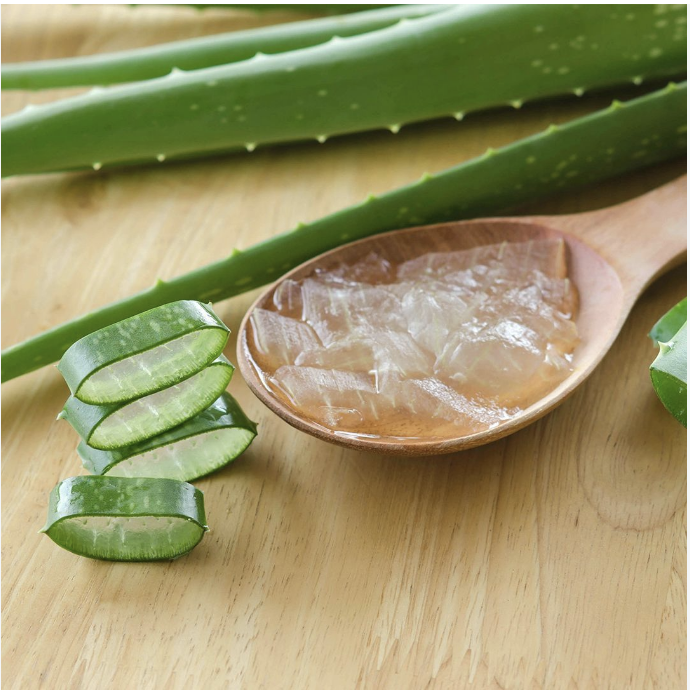
6. Aloe Vera
Aloe vera is often used in natural hair-care products because of its moisturising properties.
How to use it:
- Use a small amount of pure aloe vera gel.
- Apply it to your scalp and hair.
- Leave it for approximately 15–20 minutes.
- Rinse thoroughly.
Aloe vera may help moisturise the scalp, but it has not been proven to prevent or reverse grey hair.

7. Eat Iron-Rich Foods
Iron plays an important role in transporting oxygen throughout the body. Low iron levels can affect overall health and may contribute to hair-related problems.
Include foods such as:
- Lentils and chickpeas
- Spinach
- Pumpkin seeds
- Lean halal beef
- Beans
- Fortified cereals
Pair plant-based iron sources with vitamin C-rich foods, such as oranges, lemons and tomatoes, to improve iron absorption.
8. Include Vitamin B12-Rich Foods
Vitamin B12 is essential for healthy red blood cell production and normal nervous system function. Low B12 levels have been associated with premature greying in some studies.
Good food sources include:
- Eggs
- Milk
- Greek yoghurt
- Fish
- Chicken
- Lean meat
People following vegetarian or vegan diets may need to discuss B12-fortified foods or supplementation with a healthcare professional.
9. Eat Foods Containing Copper
Copper is a mineral involved in several important processes, including melanin production.
Include moderate amounts of:
- Cashews
- Almonds
- Sesame seeds
- Sunflower seeds
- Chickpeas
- Whole grains
A varied, balanced diet is generally preferable to taking high-dose mineral supplements.
10. Manage Stress and Improve Sleep
A healthy lifestyle supports your overall wellbeing and may help reduce some factors associated with premature greying.
Try these simple habits:
- Aim for 7–9 hours of sleep each night.
- Walk regularly.
- Practise meditation or deep breathing.
- Maintain a balanced diet.
- Avoid smoking.
- Make time for activities that help you relax.
These habits support general health, although they cannot guarantee prevention of grey hair.
Best Foods to Include in Your Diet for Healthy Hair
A balanced diet provides nutrients needed for healthy hair growth and normal body functions.
| Food | Important nutrients |
|---|---|
| Eggs | Protein, vitamin B12 |
| Salmon | Protein, vitamin D, omega-3 |
| Spinach | Folate, iron |
| Lentils | Iron, folate, protein |
| Almonds | Vitamin E, healthy fats |
| Pumpkin seeds | Iron, zinc |
| Greek yoghurt | Protein, vitamin B12 |
| Chickpeas | Protein, iron, folate |
| Oranges | Vitamin C |
| Sesame seeds | Copper, healthy fats |
Remember that no individual food can guarantee the prevention or reversal of grey hair.
Can Premature Grey Hair Be Reversed Naturally?
This is one of the most common questions about premature greying.
Unfortunately, there is currently no scientifically proven natural remedy that can reliably restore the original colour of grey hair.
In some cases, greying associated with an underlying nutritional deficiency or medical condition may improve when the cause is properly treated. However, genetically determined greying is generally difficult to reverse.
A healthy lifestyle and balanced diet can support hair health, but be cautious of products promising permanent results in just a few weeks.
When Should You See a Doctor?
Consider consulting a healthcare professional if:
- Your hair starts turning grey unusually early.
- You notice sudden or rapid changes in hair colour.
- You also experience unusual hair loss or other symptoms.
- You suspect an iron, vitamin B12 or other nutritional deficiency.
- You have symptoms that could suggest a thyroid problem.
Depending on your symptoms and medical history, a healthcare professional may recommend blood tests such as a complete blood count, ferritin, vitamin B12 or thyroid function tests.
Avoid taking high-dose vitamins or minerals without checking whether you actually need them.
Frequently Asked Questions (FAQs)
1. What is the main cause of premature greying hair?
Genetics is one of the most important causes. Nutritional deficiencies, smoking, stress and certain medical conditions may also contribute.
2. Can amla reverse premature grey hair?
Amla contains vitamin C and antioxidant compounds and is traditionally used in hair care. However, there is no strong clinical evidence that amla can reverse grey hair or restore its natural pigment.
3. Does coconut oil prevent grey hair?
Coconut oil can condition hair and help reduce protein loss from the hair shaft. However, it does not prevent the loss of melanin responsible for greying.
4. Which vitamin deficiency causes premature greying?
Vitamin B12 and folate deficiencies have been associated with premature greying. Some research has also investigated iron, vitamin D and copper levels.
5. Do black sesame seeds turn grey hair black?
No reliable scientific evidence shows that black sesame seeds can turn grey hair black. They are nutritious and can be included in a balanced diet.
6. Does stress cause grey hair?
Research suggests that stress can influence the biological processes involved in hair pigmentation. However, genetics and ageing remain important factors.
7. Is plucking grey hair harmful?
Plucking one grey hair does not cause more grey hairs to grow. However, repeatedly plucking hair can damage the follicle and potentially contribute to thinning.
8. Can grey hair become black again?
In certain cases, hair may regain some pigmentation when an underlying factor is corrected. However, this is not guaranteed, and there is no established treatment that reliably reverses age-related greying.
Final Thoughts
Premature greying can happen for several reasons, including genetics, nutritional deficiencies and lifestyle factors. Although natural remedies such as amla, curry leaves, coconut oil and aloe vera are popular in traditional hair care, none has been proven to restore lost hair pigment.
The best approach is to maintain a nutritious diet, look after your scalp, avoid smoking, manage stress and investigate any possible underlying deficiencies.
Healthy hair starts with taking care of your overall health. Rather than relying on miracle products, focus on consistent habits and evidence-based care.


