How Common is Schizophrenia in Children?

schizophrenia in kids

What is schizophrenia?

Schizophrenia is a mental disorder characterized by a breakdown of thought processes and by poor emotional responsiveness.
Schizophrenia, also sometimes colloquially called split personality disorder, is a chronic, severe, debilitating mental illness that affects about 1% of the population, corresponding to more than 2 million people in the United States alone. Other statistics about schizophrenia include that it affects men about one and a half times more commonly than women. It is one of the psychotic mental disorders and is characterized by symptoms of thought, behavior, and social problems. The thought problems associated with schizophreniaare described as psychosis, in that the person’s thinking is completely out of touch with reality at times. For example, the sufferer may hear voices or see people that are in no way present or feel like bugs are crawling on their skin when there are none.

How common is schizophrenia in children?

Although there have been fewer studies on schizophrenia in children compared to adults, researchers are finding that in children as young as 6 years old can be found to have all the symptoms of their adult counterparts and to continue to have those symptoms into adulthood.

schizophrenia
How is schizophrenia diagnosed?

As is true with virtually any mental-health diagnosis, there is no one test that definitively indicates that someone has schizophrenia. Therefore, health-care practitioners diagnose this disorder by gathering comprehensive medical, family, and mental-health information. Patients tend to benefit when the professional takes into account their client’s entire life and background. This includes but is not limited to the person’s gender, sexual orientation, cultural, religious and ethnic background, and socioeconomic status. The symptom sufferer might be asked to fill out a self-test that the professional will review if the person being evaluated is able to complete it.
What are treatments for schizophrenia and the side effects of those treatments?

Medications

While there are a number of helpful treatments available, medication remains the cornerstone of treatment for people with schizophrenia. These medications are often referred to as antipsychotics since they help decrease the intensity of psychotic symptoms. Many health-care professionals prescribe one of these medications, sometimes in combination of one or more other psychiatric medications, in order to maximize the benefit for the person with schizophrenia.
Psychosocial Interventions:

Family psycho-education: In addition to educating family members about the symptoms, course, and treatment of schizophrenia, this form of treatment consists of providing family support, problem-solving skills, and access to care providers during times of crises. When this intervention is consistently provided for at least several months, it has been found to decrease the relapse rate for the individual with schizophrenia and improve the person’s social and emotional outcomes. Also, the burden that family members experience as a result of having a loved one with schizophrenia is lessened, family members tend to be more knowledgeable about the disorder and feel more supported by the professionals involved, and family relationships are improved.

Learn Few Tips and Stay Healthy

Learn Few Tips and Stay Healthy


Learn Few Tips and Stay Healthy, You should exercise for the recommended 30 minutes a day, five days a week. In this world: 60 per cent of men and 72 per cent of women don’t do the recommended amount to stay healthy.

Learn Few Tips and Stay Healthy

Best thing:

• Try to do three, ten-minute bursts a day to get the same health benefits.

Your Morning Meal:

  • You should have a healthy, nutritious breakfast each day to kick-start your metabolism and give you the energy and nutrients you need until lunchtime.
  • In this world: One in eight adults skips breakfast, despite being unlikely to get the missed vitamins and minerals later on in the day.

Next best thing:

  • Keep a stock of healthy snacks, such as bananas, mini bags of dried fruit and nuts, cartons of fruit juice and slices of fruit bread, for when you’re running late.
  • In coffee shops, steer clear of doughnuts and pastries and opt for low-sugar, high-fibre, and high-protein choices, like bagel and cream cheese or wholegrain muffin.
  • Cereal bars are convenient but can be high in fat, salt and – or sugar, so check the information on the packaging.

Your Fish Intake:

  • Oily fish, such as salmon, trout and sardines, should be on your menu at least twice a week.
  • Packed with DHA and EPA omega-3 fatty acids, studies show that oily fish reduces the risk of heart disease and boosts the immune system.
  • In reality: Half of the people eat less than the recommended amount and 13 per cent of adults don’t eat fish at all.

Your five-a-day:


  • You should have at least five servings of fresh fruit and vegetables daily to get the full array of nutrients and fibre you need.
  • We eat an average of only half the recommended five servings of fruit and vegetables daily – and one in three of us eat no fruit at all.

Next best thing:

  • Forget fancy “super-fruits”. Apples and bananas provide just as many health benefits.
  • Frozen vegetables are as nutritious as fresh ones, and with no preparation or wastage.
  • Simply grab a few handfuls and add them to whatever you’re cooking.
  • Canned fruits (in juice, not syrup) and vegetables also count, while dried fruit makes a healthy snack.
  • Still falling short? Take a good multivitamin.

Your Sleep:

  • In an ideal world: You’d get eight hours of undisturbed, refreshing nap every night because studies link lack of sleep to high blood pressure, poor immunity and weight gain.
  • In the real world: Almost half the population sleep badly some or most nights, and nearly a third of the population get less than six hours’ shuteye.

Next Best Thing:

  • Try to snatch a 30-minute nap in the afternoon, three times a week – you’ll add a year to your life, as well as recouping sleep loss.
  • Get the temperature right: As little as 0.3 degrees Celsius can make the difference between a good and poor night.
  • Pick one night a week to turn in early – and stick to it. A full night of intense “recovery” sleep can knock a good chunk from your sleep debt.
  • Switch off the TV before bed and read a book or listen to music. It’s one of the most effective ways to decrease tension and distract you from fatigue.

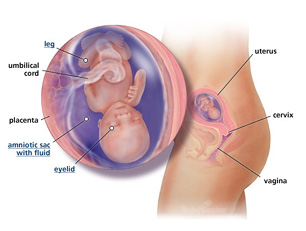
Your Guide to Being 15 Weeks Pregnant

Your Guide to Being 15 Weeks Pregnant:

At 15 weeks, the bones in your baby’s ear that are responsible for hearing are developing, and her taste buds are sprouting, too. From now on, she’ll get a flavour of whatever you eat via the amniotic fluid. One study showed that unborn babies swallow more amniotic fluid if it tastes sweet, and less if it’s bitter – pass the biscuits!
Your Guide to Being 15 Weeks Pregnant
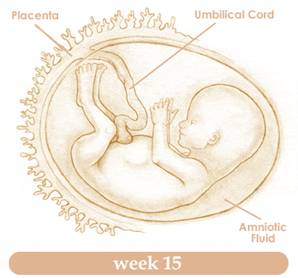
This week sees a period of rapid growth, with your baby starting to lay down fat under her skin. Her sex organs are maturing, and a highly skilled sonographer might be able to tell the sex at this point. She’s also gaining more control of her movements; scans at this stage have shown babies playing with the umbilical cord, snuggling up to the wall of the uterus, apparently for comfort, and even fighting with their twin. Your baby will probably get regular bouts of hiccups from now on, which help her lungs prepare for breathing.

week15

What’s happening to you

Your placenta is now 1cm thick and 7 to 8cm in diameter, and you’re carrying around a paper cup full of amniotic fluid. Your body is producing large amounts of oestrogen, which can have weird side effects, such as darkening the pigmentation of your skin. You may notice a dark line running from your belly button down, as well as darker nipples and more prominent moles and freckles. Stretch marks might crop up around now, too. On the positive side, those same hormones tend to make your hair and nails grow longer and look healthier – yep, you’re blooming at last.

Normal niggle

As your bump grows and your centre of gravity shifts, you’re likely to develop backache, especially if you stand for long periods. Work on your posture, dropping your shoulders, tucking your bum in and tightening your abs – and ditch the skyscraper heels for flats.

When to check it out

Severe pain around the lower back and pelvic area can be a sign of pelvic girdle pain – a pregnancy-related condition that occurs when the joints of your pelvis become misaligned. In extreme cases it can leave you virtually immobile, so speak to your midwife – physiotherapy and/or a support belt may help.

‘To do’ this week

If you’re planning to have the blood test (serum screening) to screen for chromosomal abnormalities such as Down’s Syndrome, make sure you’re booked in – it needs to be done at around 16 weeks.