
Homemade Protein Powder Recipe
Homemade Protein Powder Recipe
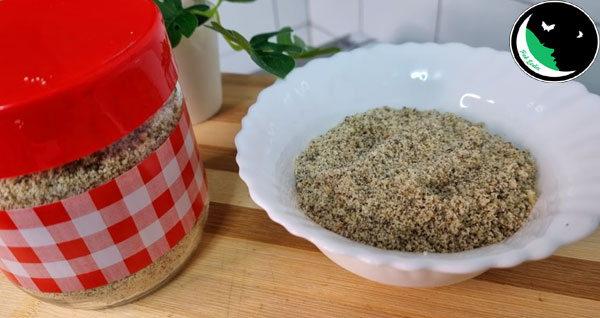
Today I am going to share with you how to make a natural homemade protein powder recipe/Biotin Powder recipe using a combination of seeds and nuts. The key to having a strong and beautiful body is mainly a sufficient supply of protein, in addition to strength and resistance training.
Keto Mutanjan Recipe
Proteins act as THE organic substance in our muscles. But not only that, they also influence the appearance of our skin and hair.
In the context of a caloric deficit and a high sports effort, it is especially important to maintain a consistently high protein intake.
Lower High Cholesterol Diet
Maintaining maximum muscle mass and reducing as much body fat as possible is the top priority when dieting.
To achieve this goal, taking protein powder is also suitable for weight loss.
Many protein powders are very expensive and don’t really deliver everything they claim. A cheap and very healthy option is to make our own protein powder.
Benefits of Almonds
Good for the heart:
Different studies have shown that those people who eat almonds frequently, that is, about five times a week, have a fifty percent greater chance of reducing the risk of suffering a heart attack and other cardiovascular diseases. Almonds strengthen and protect the walls of the arteries thanks to the amino acids and fatty acids they contain.
Good for bones and teeth:
Due to their high content of phosphorus and magnesium, almonds help us to have strong teeth and bones. They also take care of our muscles, fight anxiety, irritability and promote a good rest, avoiding insomnia. In addition, due to their calcium content, almonds prevent osteoporosis.
Good for the brain:
With the regular consumption of almonds we can increase brain function, so that this organ remains lucid and active.
Improve the immune system:
The zinc contained in almonds improves the functioning of the immune system, promotes growth and fights states of fatigue or tiredness. The vitamin A they contain fulfills the same functions and also helps to detoxify the body.
Fight free radicals:
Its selenium and vitamin E content fights free radicals, and helps prevent degenerative diseases.
Benefits of Peanuts
Provides arginine:
The proteins present in peanuts contain an amino acid called arginine, which is very important in producing the so-called growth hormone, as well as being a booster of the immune system and the nervous system.
Regulates moods and sleep:
Tryptophan is another of the amino acids present in peanuts, this being responsible for the production of serotonin or also called the hormone of happiness, helping to improve mood and to correctly fulfil sleep cycles.
Protect the heart:
The vast majority of the fat contained in peanuts is of the monounsaturated type, in addition to a study carried out at Harvard that indicates that with the consumption of this food, mortality from heart disease can be reduced by 19%.
Regulate cholesterol:
Other advantages of consuming foods rich in monounsaturated fatty acids is that they help lower bad cholesterol levels and maintain good cholesterol levels.
In addition, it is proven that peanuts contain about 30 times more resveratrol than grapes, an antioxidant that is highly effective in fighting cholesterol.
Helps maintain the good condition of the skin:
The high content of vitamin E in peanuts helps protect skin cells by reducing damage from the sun’s rays, environmental pollution and free radicals, which in the long run helps delay aging.
Contributes to bone health:
The interaction of minerals such as calcium, phosphorus and magnesium are essential minerals when it comes to building healthy and strong bones, as well as contributing to the proper functioning of muscles and nerves.
Helps control diabetes:
The peanut is a food whose glycemic index is low, that is to say that it does not represent a great risk for the levels of glucose in the blood, as long as it is consumed naturally, without mixing it with salt or sugar.
Contributes to cancer prevention:
Scientific evidence reveals that the fatty acids and antioxidants present in peanuts contribute to the prevention of cancer and reduce the growth of cancer cells, so it is advisable to consume at least 30 grams a week.
Benefits of Sunflower Seeds
Reduce the risk of cardiovascular disease:
Sunflower seeds are rich in phytosterols, plant compounds that block the absorption of cholesterol in the body to protect against heart disease. According to a published study, sunflower seeds have more phytosterols than almost any other type of seeds or nuts.
Promotes good skin health:
The same content of vitamin E (antioxidant) together with essential fatty acids helps to keep skin hydrated and free from damage. Research has proven its great usefulness for the health of the skin and hair in its usual consumption.
Supports thyroid function:
Selenium is a fundamental mineral in our nutrition to regulate thyroid levels and fortunately, it is found abundantly in sunflower seeds. Consuming sunflower seeds can be a great way to improve thyroid function.
Helps fight cancer:
Studies verified that the nutrients present in sunflower seeds have chemopreventive compounds that slow down the development of cancer, stopping the growth of tumors. In addition, they repair DNA and detoxify the body of harmful and damaged cells.
Balances blood sugar levels:
Fiber-rich diets have been found to substantially help control the glycemic index. In addition to fiber, the magnesium present in sunflower seeds also reduces the risk of developing insulin-dependent disease.
Helps fight bone loss and muscle cramps:
Sunflower seeds have a good amount of magnesium, an essential mineral with important functions such as: the balance of the calcium / potassium ratio in cells, the regulation of blood pressure and aids in cardiovascular health in general. It is also related to bone health, as it prevents bone loss conditions such as osteoporosis. In addition, it helps blood clotting, calcification of bones, reduce migraine headaches, constipation, chronic fatigue and even reduce symptoms of mood disorders such as anxiety or depression.
Benefits of Pumpkin seeds
Promote relaxation and increase well-being:
These seeds have a high amount of magnesium and tryptophan, which are substances that act at the level of the brain, helping to combat excess stress, fatigue and stimulate memory.
Weight loss:
Pumpkin seeds are rich in fiber, which makes for a greater feeling of satiety and the person reduces the portions of food, eating fewer calories and promoting weight loss. Fiber also helps control the absorption of sugar at the intestinal level, making it remain more stable in the blood, reducing anxiety.
Increase muscle mass:
These seeds provide an excellent source of protein, so those who are looking to increase muscle mass can include them in salads, smoothies, yogurts, cereals or even snacks.
Protect the cells of the body:
Thanks to its high content of antioxidants such as carotenoids and vitamin E, pumpkin seeds help protect the body’s cells from the effect of free radicals, helping to reduce inflammation, as well as reducing the risk of suffering from some types of cancer such as stomach, prostate, colon and breast.
Decrease inflammation:
Pumpkin seeds are an excellent source of omega 3, which exerts an anti-inflammatory action against stress or disease processes that may be causing a state of inflammation in the body, it also protects the body from cardiovascular and brain diseases, improving memory and layout.
Improve prostate and thyroid health:
Pumpkin seeds are rich in zinc, a mineral that is important for strengthening the immune system and helping to regulate thyroid function. Some studies have shown that the daily consumption of these seeds helps reduce the symptoms of benign prostate hyperplasia and improve the quality of life.
Fight intestinal parasites:
These seeds have been used as a home remedy to combat intestinal parasites, because they have antiparasitic and anthelmintic action and can be used in children and adults.
Fight anemia:
These seeds are an excellent plant source of iron, so they help fight anemia, and can also be consumed by vegans or vegetarians to increase the supply of iron to the body.
Fight belly pain:
Pumpkin seeds help fight stomach pain and colic that are generated during premenstrual syndrome, because it contains magnesium, which is a mineral that works by decreasing muscle contraction and nerve function and, as a consequence, menstrual pain.
Take care of heart health:
These seeds have phytosterols, magnesium, zinc, good fatty acids and omega-3, which help maintain heart health due to the fact that they exert a cardioprotective effect, because they help control blood pressure, reduce cardiovascular risk, decrease cholesterol levels and control blood sugar levels.
Regulate blood sugar:
Thanks to its high fiber and magnesium content, pumpkin seeds help regulate blood sugar, being very important for diabetics and for those individuals who have obesity with insulin resistance or hyperinsulinism.
Benefits of Chia seeds
They are rich in antioxidants:
Chia seeds are a whole grain food and are organically grown, non-GMO, and gluten-free. They have a great load of antioxidants, they are 3 times more antioxidants than blueberries. Antioxidants help delay premature aging, reduce certain diseases, and help fight free radicals.
They are an excellent source of fiber:
It is advisable to consume about 30 grams of fiber a day for both men and women. If we increase our daily fiber intake by 15 grams, there would be many benefits for the body and for health in general.
11 grams of fiber is what 28 grams of chia seeds contain. This fiber absorbs its weight in 10-12 times the water, achieving a very satiating effect as the seeds expand inside the stomach, which helps reduce the amount of food we eat throughout the day. Likewise, this fiber reaches the intestines without being digested, causing the good bacteria that live in the intestines to feed, and improve our intestinal health.
High content of Omega-3 fatty acids:
Omega-3 fatty acids help to lower blood pressure, reduce triglycerides, slow the development of plaque in the arteries, reduce the chance of abnormal heart rhythm, reduce the likelihood of heart attack and stroke and lessen the chance of sudden cardiac death in people wit heart disease.
They help your metabolic health:
To speak of metabolic health is to refer to cholesterol, triglycerides, obesity. Chia seeds, being rich in fiber, protein and Omega-3 fatty acids, will help you not only reduce all these values, but also prevent suffering from heart disease and type 2 diabetes.
Provide nutrients for bones:
Chia has high content of important minerals such as phosphorus, calcium, magnesium; and also nutrients such as proteins, so important for our bone system. Chia seeds provide 18% of the recommended daily amount of calcium, which is why they are excellent for those who do not consume dairy products.
Prevent diabetes:
Containing large amounts of fiber, chia seeds help regulate blood sugar levels. Fiber captures sugar and releases it very progressively, preventing glucose and insulin peaks from being generated.
Benefits of Hemp seeds:
Hemp seeds are extremely beneficial for health, as they contain all the amino acids and essential fatty acids necessary for a body full of vitality.
No other plant has such easily digestible proteins or such a perfect ratio of essential oils. Hemp seeds support the immune system and provide health and vitality.
Hemp seeds, including seeds used to grow cannabis for recreational or medicinal purposes, contain more essential fatty acids than the seeds of any other plant. These acids are responsible for our immune response (the way the body responds to bacteria, viruses or harmful and dangerous substances) and influence our growth, vitality and mood.
Hempseed oil contains only 8% saturated fat, a really low amount, which is something very positive, since it is precisely the excessive and continuous consumption of these fats that causes cardiovascular diseases. The squeezed hempseed oil contains 55% linoleic acid and 25% linolenic acid, acids responsible for transforming food into vital energy and distributing it throughout the body. Only flaxseed oil contains more linolenic acid, at 58%.
Homemade Protein Powder Recipe
The Homemade Protein Powder Recipe that we share with you below is quick and easy to prepare and you will save a lot of money!
Ingredients:
- Almonds – 1/2 cup
- Peanuts – 1/2 cup
- Sunflower seeds – 1/4 cup
- Pumpkin seeds – 1/4 cup
- Chia seeds – 1/4 cup
- Hemp seeds – 1/4 cup
Preparation for Homemade Protein Powder Recipe:
- Lightly roast almonds, peanuts, sunflower seeds and pumpkin seeds and grind the ingredients to form into powder.
- Grind chia seeds and hemp seeds and mix everything well.
Keep in airtight jar. - This recipe gives you 272gm/34 tablespoons. You can use according to your daily needs.
How to consume it?
- You can consume this powder in smoothies, in a glass of vegetable milk, with your cereals or oatmeal, or even sprinkled on top of fruit or yogurt.
- This homemade protein powder does not have flavourings or a lot of added sugar like industrial protein powders, so if you want to give it a touch of flavor you can add vanilla essence, cocoa or cinnamon powder.
Nutrition Value:
Calories: 1612kcal
Carbohydrates: 57g
Protein: 72g
Fat: 133g
Saturated Fat: 14g
Polyunsaturated Fat: 61g
Monounsaturated Fat: 52g
Trans Fat: 1g
Sodium: 28mg
Potassium: 1586mg
Fiber: 36g
Sugar: 4g
Vitamin A: 302IU
Vitamin C: 1mg
Calcium: 641mg
Iron: 19mg


