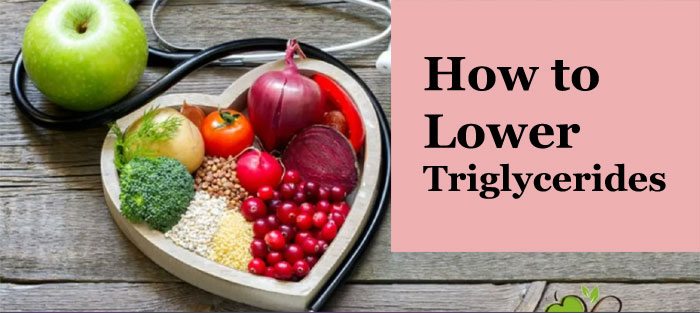
How to Lower Triglycerides
How to Lower Triglycerides
Diet and triglycerides
Hypertriglyceridemia is an alteration that consists of presenting abnormally high triglyceride values in the blood (above 150mg/dl). Studies show that hypertriglyceridemia carries an increased risk of hepatic steatosis (fatty liver), acute pancreatitis, and cardiovascular disease.
How to Lower Triglycerides
What are triglycerides?
They are the main form of fat that we have in the body and their chemical structure consists of three fatty acids attached to a glycerol molecule.
Triglycerides (TG) increase in our body if there is an excess of calories ingested. When there is an excessive consumption of fats, sugars or alcohol, the liver transforms this caloric surplus into triglycerides to be able to store them in adipose tissue, and thus use them as an energy substrate later.
Triglycerides circulate in our body linked to two lipoproteins: chylomicrons (QM) and very low density lipoproteins (VLDL). The QM are synthesized in the intestine and transport the lipids of exogenous origin (the TG that come from the diet). They are the precursors of VLDL, which are formed in the liver so that triglycerides of endogenous origin can circulate in the blood, from the liver to adipose tissue, where they will be stored, and to muscle, where they can be used as an energy source.
So when we eat more than we should (more fat, sugar, alcohol…) we form triglycerides that are stored in adipose tissue (we get fat). If we are also sedentary, the muscle will not use them as an energy source, promoting obesity and hypertriglyceridemia.
Lower High Cholesterol Diet
Symptoms of hypertriglyceridemia:
Generally, hypertriglyceridemia does not cause symptoms, therefore if blood tests are not performed regularly they can go unnoticed.
In the case of familial hypertriglyceridaemia, a hereditary picture, small, yellowish subcutaneous fat deposits may appear, called eruptive xanthomas. These are mostly located around the eyes, the extensor surfaces of the extremities, the shoulders, the back, the palms of the hands, or the thighs.
Other consequences of increased plasma triglycerides are:
Hypercholesterolemia and Cardiovascular Disease:
A part of the triglycerides are destined to form cholesterol, so if there is an excess, LDL cholesterol will increase more easily. This fraction of cholesterol is known as low-density cholesterol (LDL) or bad cholesterol and is the cause of atheromatous plaque that causes the arteries to become less flexible and blood pressure rises, it can even clog the passage of blood flow, increasing the risk of cardiovascular diseases.
Spiralized Zucchini Nest Eggs
Hepatic steatosis or fatty liver:
Excess circulating triglycerides in the blood accumulate in the liver causing non-alcoholic fatty liver disease (NAFLD) which causes inflammation of the liver. It causes pain in the upper right part of the abdomen, malaise, heaviness after meals, and may end up leading to fibrosis, cirrhosis with end-stage liver failure, or hepatocellular carcinoma.
Acute pancreatitis:
Inflammation of the pancreas can be serious since it is an organ with endocrine function (it makes insulin and glucagon, hormones responsible for regulating our blood sugar) and exocrine (it secretes pancreatic juices that are involved in digestion). This disease causes nausea, vomiting, abdominal pain, steatorrhea (greasy stools) and even weight loss.
How to lower blood triglycerides:
Leaving aside the hereditary factor, the main causes of hypertriglyceridemia in our population are modifiable factors such as a sedentary lifestyle, a hypercaloric intake rich in carbohydrates, especially without simple sugars, and excess alcohol. In addition, there are other conditions that can also cause an increase in TG, such as obesity, diabetes, hypothyroidism, Cushing’s syndrome, nephrotic syndrome, chronic renal failure, liver disease, pregnancy, or regular use. of some drugs, such as contraceptives and corticosteroids.
Thus, to reduce triglycerides, a change in lifestyle is necessary to ensure the maintenance of a normal weight through regular physical exercise -since during long-term, moderate-intensity aerobic exercises triglycerides are used as a source of energy- , along with maintaining a healthy diet in which alcohol, saturated fats and sugars are avoided, carbohydrate intake is limited and fiber intake is ensured.
What foods to avoid?
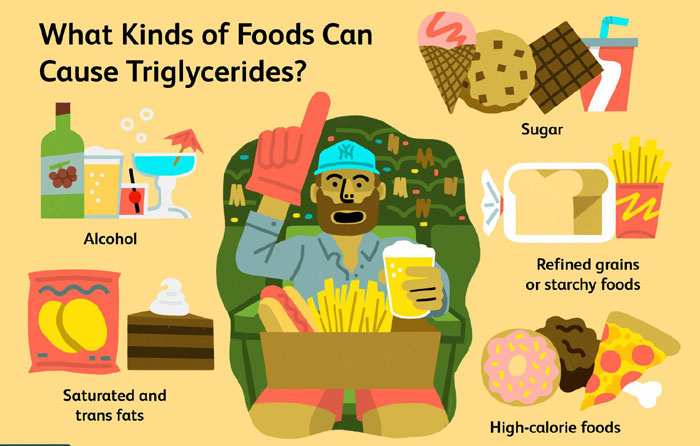
- Eliminate simple sugars, that is, sugar (white and brown) and all sweet foods:
- Sweeteners: Fructose, maple or agave syrup, honey.
Jam, jellies or syrups. - Sweets and pastries: ice cream, pastries, cakes, chocolate, candies and chewing gum…
- Sugary drinks: soft drinks (including tonic, bitters and tea soft drinks), juices (commercial and natural), fruit or chocolate shakes…
- Eliminate alcohol, both distilled and fermented such as wine and beer.
- Moderate the consumption of fruit, preferably eating it whole and with the skin on. Never take more than one piece per meal.
- Control the carbohydrate ration (legumes, bread, potatoes, cereals such as rice, wheat, quinoa, oats, millet…).
- These should always be integral, trying to take them as an accompaniment instead of as a main dish.
Additionally it is recommended:
Increase fiber intake by eating greens and vegetables at least twice a day.
Lower the consumption of saturated fats by consuming skim milk, more fish than meat, choosing white meat (chicken, turkey, rabbit) without skin or fat. Eat red meat a maximum of 1 day a week, avoiding fatty meats and sausages (sausages, duck, lamb, bacon, chorizo, etc.).
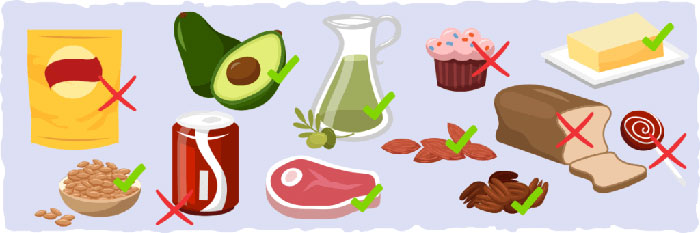
Sample menu to lower triglycerides
BREAKFAST
½ glass of semi-skimmed milk, with coffee, without sugar
1 slice of whole wheat bread with avocado
MIDMORNING
1 orange + 4 walnuts
Lunch
Tomato, spring onion and pepper salad with lentils
Grilled chicken breast with grilled mushrooms garnish
1 skimmed yogurt
AFTERNOON SNACK
1 low-fat yogurt with 1 tablespoon of oat flakes
and a handful of fresh blueberries
DINNER
Sauteed vegetables
Salmon with brown rice garnish
½ glass of semi-skimmed milk
Conclusions
The diet to lower triglycerides must eliminate sugars and alcohol and contain a controlled intake of complex carbohydrates and fruit. In addition, sources of saturated fats such as red meat, fats and sausages should be reduced. At the same time, fiber intake must be ensured through vegetables and whole foods.
It is also essential to correct excess weight in the event that it is suffered and ensure the practice of aerobic exercise (walking, swimming, cycling, running…) on a regular basis.