


Natural Remedies Anxiety Attack
Natural Remedies Anxiety Attack. Almost everyone experiences Short periods of anxiety, some of us are more inclined to be troubled with this problem. A sensation of discomfort or apprehension is experienced (both emotional and physical) and, although the person may be aware of a reason for feeling insecure or worried, the cause is sometimes difficult to identify.
Natural Remedies Anxiety Attack
Premenstrual Syndrome Symptoms and Treatment
Symptoms:
- Panic attacks
- Headaches
- Jaw pain
- Muscle tension
- Difficulty falling or staying asleep (insomnia)
- Dry mouth
- Fatigue
- Chest tightness
- Indigestion
- Bloating
- Excessive sweating
- Breathing problems
- Palpitations
- Intense feelings of both agitation and helplessness (but temporary)
“It’s important to consult your doctor for a proper diagnosis and to rule out other medical problems that may resemble anxiety.”
Here are some of the natural remedies that are being explored for anxiety.

Get Fit With Few Healthy Tips
1. Passionflower
The herb passionflower (Passiflora incarnata) was used as a folk remedy for anxiety and insomnia.
Two studies involving a total of 198 people examined the effectiveness of passionflower for anxiety. One study found passionflower to be comparable to benzodiazepine drugs. There was also improvement in job performance with passionflower and less drowsiness with passionflower compared with the drug mexazolam, however, neither was statistically significant.
Side effects of passionflower may include nausea, vomiting, drowsiness, and rapid heartbeat. The safety of passionflower in pregnant or nursing women, children, or people with kidney or liver disease has not been established. There have been five case reports in Norway of people becoming temporarily impaired mentally after using a combination product containing passionflower. It’s not known whether the other ingredients in the supplement played a role.
Passionflower should not be taken with sedatives unless under medical supervision. Passionflower may enhance the effect of pentobarbital, a medication used for sleep and seizure disorders.

2. Bodywork
Massage therapy, shiatsu, and other forms of bodywork are widely used to diminish muscle tension, relieve stress, and improve sleep.
3. Mind/Body Techniques
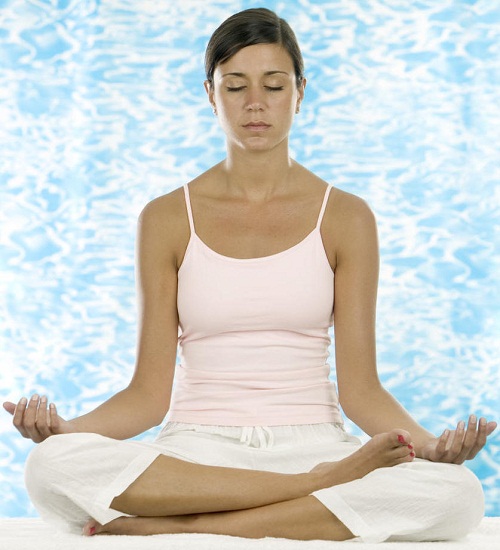
Mind/body breathing exercises, physical exercise, yoga, tai chi, self-hypnosis, meditation, and biofeedback are just some of the stress reduction techniques used for anxiety. Try different techniques and determine which routine you can stick to with a hectic schedule.
4. Valerian
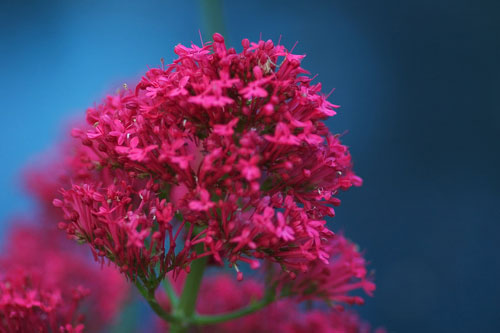
The herb valerian (Valeriana officinalis) is best known as a herbal remedy for insomnia. Valerian is also used in patients with mild anxiety, but the research supporting its use for anxiety is limited.
For example, researchers with the Cochrane Collaboration reviewed studies on valerian for anxiety. Only one study met their quality criteria. It was a four-week study comparing valerian, the medication diazepam (Valium), and a placebo in 36 people with generalized anxiety disorder. No statistically signficant differences were found between the groups, perhaps due to the small size of the study.
Valerian is usually taken an hour before bedtime. It takes about two to three weeks to work and shouldn’t be used for more than three months at a time. Side effects of valerian may include mild indigestion, headache, palpitations, and dizziness. Although valerian tea and liquid extracts are available, most people don’t like the smell of valerian and prefer taking the capsule form.
Valerian shouldn’t be taken with many medications, especially those that depress the central nervous system, such as sedatives and antihistamines. Valerian shouldn’t be taken with alcohol, before or after surgery, or by people with liver disease. It should not be used before driving or operating machinery. Consultation with a qualified health practitioner is recommended. For more information about valerian, read the Valerian Fact Sheet.
5. Aromatherapy
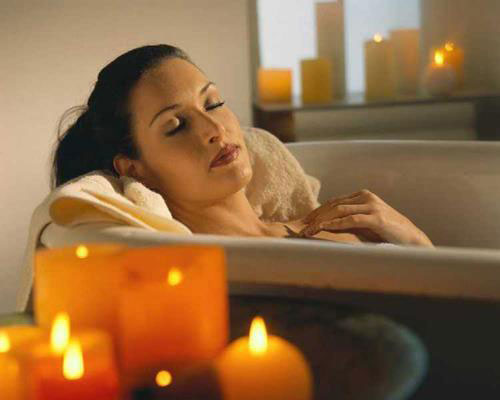
Plant essential oils can be added to baths, massage oil, or infusers. Essential oils that are used for anxiety and nervous tension are: bergamot, cypress, geranium, jasmine, lavender, melissa, neroli, rose, sandalwood, ylang-ylang. Lavender is the most common and forms the base of many relaxing blends.
Virtually all of the things you mention is supprisingly precise and that makes me wonder why I hadn’t looked at this in this light previously. This particular piece truly did turn the light on for me as far as this subject matter goes.
thanks for info.
Anxiety symptoms ought to be observed for 6 months Its within that 6-month time period that a person must be observed to have excessive anxiety and worry under a range of situations and reasons.
I just added this site to my google reader, great stuff. Cannot get enough!
With everything that appears to be developing inside this subject material, your viewpoints are quite stimulating. In any case I did take pleasure in reading it.
Nice read, I just passed this onto a colleague who was doing a little research on that. And he just bought me lunch because I found it for him smile Therefore let me rephrase that: Thank you for lunch! “Without friends no one would choose to live, though he had all other goods.” by Aristotle.
Thanks a ton for this – love the info and agree with your perspective. However many others will not, so thanks for speaking up. Nice blog, well done!